

Why a Holistic Mindset Is the Real Muscle‑Building Secret
When I first stepped into a gym, the mantra was “lift heavier, eat more protein, repeat,” but years of trial and error taught me that muscle growth is a systemic process that thrives only when the body is treated as an integrated whole. The nervous system, hormonal balance, gut health, and even emotional resilience all whisper into the same locker room, dictating how efficiently fibers repair and enlarge after each session. By shifting my focus from isolated macros to overall well‑being, I discovered that the biggest gains came not from adding an extra set, but from dialing in sleep quality, stress management, and nutrient timing in harmony.
Fueling Growth: Nutrition That Powers Gains Without Burnout
Most “muscle‑gain” diets are built on a calorie‑counting spreadsheet that treats food like fuel for a car, yet our bodies are far more sophisticated than a combustion engine; they require micronutrients, phytonutrients, and a steady flow of amino acids to support anabolic signaling pathways. I stopped obsessively counting grams of chicken and instead embraced a varied plate that includes oily fish for omega‑3s, fermented veggies for gut microbes, and seasonal fruits that deliver antioxidants to blunt exercise‑induced oxidative stress. This approach not only kept my energy steady throughout the day but also reduced inflammation, allowing me to train harder and recover faster—a win that many “high‑protein, low‑carb” plans simply can’t match.
Training Smarter: Balancing Load, Recovery, and Lifestyle
In the early days I believed that “more is always better,” loading my routine with endless supersets, but my joints soon protested, and progress plateaued, teaching me that progressive overload must be paired with strategic deloads and mobility work. I now program each week with a built‑in “recovery block,” integrating dynamic stretching, foam rolling, and low‑intensity cardio to promote blood flow and lymphatic drainage, which in turn accelerates nutrient delivery to muscle tissue. By aligning training cycles with my work schedule, travel plans, and even social commitments, I’ve learned to respect the body’s need for variation, turning fatigue into a data point rather than a roadblock.
Supplements and the Whole‑Body Approach
Supplements can be valuable allies, but only when they complement a solid foundation of food, sleep, and stress control; I treat them as “micronutrient insurance” rather than primary building blocks. Creatine monohydrate remains my go‑to for increasing phosphocreatine stores, while a high‑quality whey isolate ensures a rapid amino acid surge post‑workout, and a magnesium‑glycinate blend supports both muscle contraction and deep REM cycles. The key is to avoid “stacking” without purpose—each addition should address a specific gap identified through blood work or performance tracking, mirroring the precision you’d apply to any training variable.
Sleep, Stress, and Hormones: The Hidden Trio
Sleep is the ultimate anabolic hormone factory; during deep stages, growth hormone peaks, protein synthesis accelerates, and cortisol drops, creating an ideal environment for hypertrophy. I invested in a blackout curtain, a consistent bedtime ritual, and a magnesium supplement, which collectively lifted my nightly sleep duration from an erratic 5‑6 hours to a solid 7‑8, and I could feel the difference in my lifts within weeks. Simultaneously, I incorporated mindfulness breathing and short meditation sessions to tame chronic stress, because elevated cortisol not only blunts muscle protein synthesis but also encourages fat storage, sabotaging the very aesthetic goals we chase.
Real‑World Blueprint: Learning from Becky Putman and Deb Roberts
One of the turning points in my journey was studying Becky Putman's Blueprint for Sustainable Strength, which emphasized periodized nutrition cycles aligned with training phases, and Deb Roberts’ Holistic Blueprint for Sustainable Muscle Gain, which highlighted the role of gut health in nutrient absorption; both taught me that consistency in lifestyle habits outweighs any single “magic” supplement. By integrating Becky’s macro‑cycling strategy—higher carbs on heavy days, lower on recovery days—and Deb’s emphasis on probiotic‑rich foods, I fine‑tuned my body’s ability to process protein efficiently, leading to clearer muscle definition and fewer digestive setbacks. Their case studies reinforced the principle that sustainable gains are built on a foundation of intentional, data‑driven tweaks rather than reckless over‑eating or endless cardio.
Tracking Progress Beyond the Scale
Traditional metrics like body weight or the number on the bench press provide only a snapshot; true progress is multidimensional, encompassing muscle thickness, strength endurance, mobility, and even mental confidence. I now use a combination of handheld calipers, weekly photo logs, and a simple “performance diary” where I record perceived exertion, mood, and sleep quality alongside lift numbers, creating a holistic picture of how each variable interacts. When the data shows a dip in strength but a surge in mobility and sleep, I interpret it as a positive adaptation phase, rather than a setback, allowing me to adjust training volume without panic.
Putting It All Together: Your 12‑Week Holistic Muscle Gain Plan
Start by mapping out a three‑month calendar that blocks three phases: foundation (weeks 1‑4) focusing on movement quality and sleep hygiene, hypertrophy (weeks 5‑8) with calibrated macro cycles and progressive overload, and peak (weeks 9‑12) where you fine‑tune intensity, incorporate deloads, and evaluate results against your holistic metrics. Each week, schedule at least two “recovery days” dedicated to mobility drills, light cardio, and mindfulness practice; on training days, prioritize compound lifts, support them with accessory work that targets weak points, and end with a brief nutritional window—protein plus fast‑digesting carbs within 30 minutes. By the end of the cycle, you’ll not only see thicker muscles but also enjoy better sleep, reduced stress, and a stronger connection to the body that’s finally working as a unified system, proving that true muscle gain is as much about lifestyle as it is about lifting.

Brody Lambert is an emerging freelance writer whose fresh voice and thoughtful approach are quickly making their mark. As a fairly new entrant in the world of freelance writing, Brody brings a blend of curiosity and dedication that fuels every project, crafting stories and content that resonate with authenticity and clarity.
Related Posts

Turning Muscle Gain Into a Personal Adventure Story
Discover a fresh approach to muscle building by treating each training session as a chapter in your ... Read More
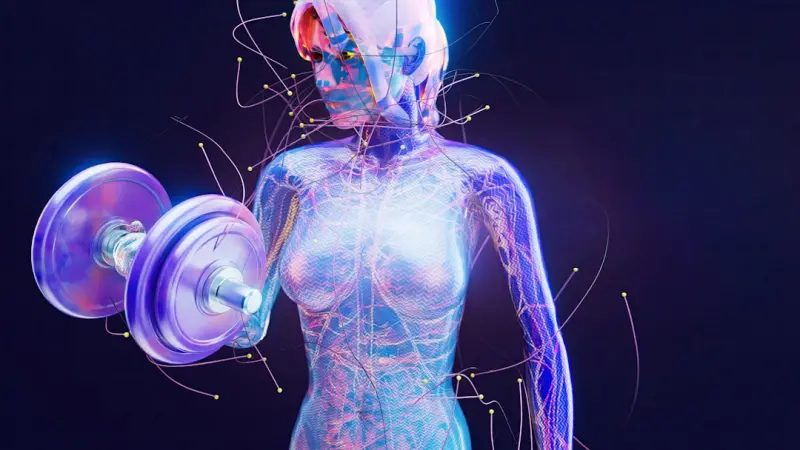
The Hidden Science of Muscle Memory: Building Bigger, Faster
Learn the science behind muscle memory and how to harness neuro‑muscular recruitment, metabolic st... Read More

Unlocking Muscle Growth with Wearable‑Powered Hypertrophy Coaching
Discover a data‑driven approach to muscle gain that leverages wearables for real‑time velocity, ... Read More
Top Posts

Building Bridges: How Intergenerational Mentoring Fuels Healthy Aging
Intergenerational mentoring creates a win‑win: seniors gain purpose and mental sharpness, while younger people receive wisdom and guidance, forming a powerful...Read More

Playful Curiosity: A Secret Weapon for Healthy Aging
A deep dive into the science and practical habits of playful curiosity, showing how asking “What if?” daily can sharpen memory, boost social bonds, and keep...Read More

Pregnancy as a Creative Canvas: Curating Your Journey with Senses, Sound, and Story
Explore a fresh perspective on pregnancy by treating it as an artistic project—using scent, sound, nutrition, and storytelling to craft a nurturing, intention...Read More

Fermented Foods: A Tasty Path to Reversing Prediabetes
A practical guide to using everyday fermented foods like kimchi, kefir, and miso to balance blood sugar, support gut health, and move from prediabetes toward la...Read More
0 Comments
Post Comment
You will need to Login or Register to comment on this post!